
The integration of electronic invoicing with ERP systems in 2026 is a strategic necessity to ensure immediate tax compliance, minimize human error in data entry, and accelerate the cash collection cycle. This integration provides a comprehensive view of cash flows, enabling decision-makers to take informed actions based on accurate, real-time financial data. In addition, this step helps enhance companies’ ability to compete in the rapidly evolving digital market, especially given the global trend toward fully automating all accounting and tax processes.
How will the integration of electronic invoicing support business growth in 2026?
The integration of electronic invoicing directly improves the efficiency of accounting operations by unifying data sources. When an ERP system is integrated with the tax system, invoices are ready for review and approval as soon as they are issued. As a result, the company eliminates the burden of repetitive manual data entry. Furthermore, this system helps avoid legal penalties resulting from delays. Consequently, financial managers can focus on strategic planning rather than time-consuming and labor-intensive routine tasks.
What role does digital financial integration play in reducing costs?
Digital financial integration is an effective tool for reducing operating costs in 2026. By reducing reliance on paper and human intervention, the likelihood of costly calculation errors is minimized. In addition, the system eliminates the physical storage costs associated with traditional paper invoices. As a result, companies that adopt this technology see a significant improvement in their profit margins. In short, investing in financial technology is an investment in long-term business sustainability.
The Importance of Financial Accounting Automation for Large Organizations
Large organizations require extreme precision in processing thousands of transactions daily. This is where financial accounting automation stands out as an ideal solution to ensure a seamless flow of data between different departments. This automation also provides accurate periodic reports that help monitor financial performance in real time. Conversely, the absence of this integration leads to scattered data and difficulties in consolidating it. For this reason, most leading companies in 2026 are turning to BOOM MEDIA’s cutting-edge solutions for financial systems management.
Why Choose Cloud-Based ERP Systems in 2026?
Cloud-based ERP systems in 2026 are characterized by high flexibility and the ability to access data from anywhere and at any time. These systems ensure data protection through advanced encryption protocols that keep pace with modern cyber threats. In addition, the cloud facilitates future business expansion without the need for massive investments in infrastructure. Therefore, they are the top choice for managers seeking to streamline accounting operations. This highlights the importance of choosing an expert technology partner like BOOM MEDIA to ensure a successful digital transformation.
Benefits of Integrating ERP with Tax 2026
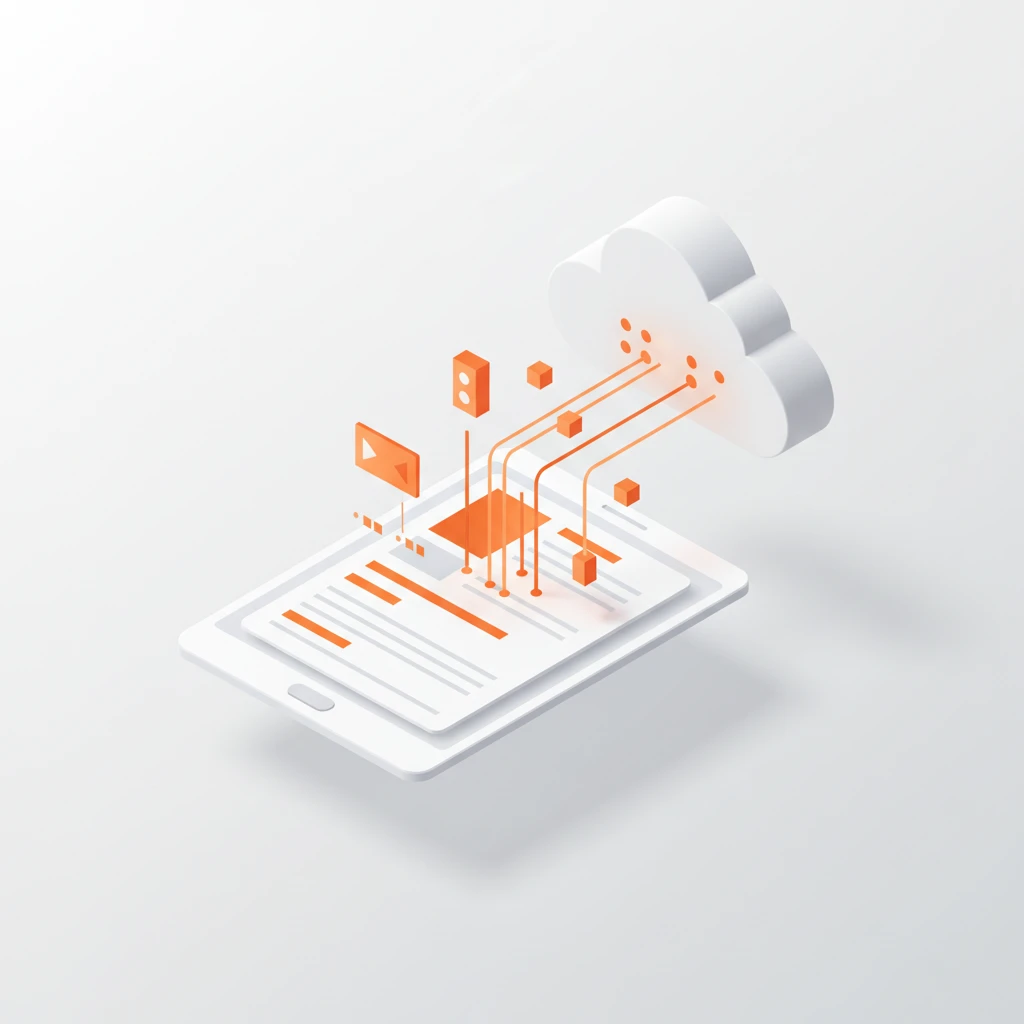
The benefits of integrating ERP with Tax 2026 include automatic compliance with local and international laws and regulations. The system sends data directly to tax authorities, reducing the time required for annual tax audits. Furthermore, accountants receive immediate notifications in the event of any data discrepancies. As a result, errors are corrected before they escalate. Ultimately, this integration enhances the company’s reputation with both regulators and investors alike.
How Can Organizations Improve Their Financial Operations Using Artificial Intelligence?
The year 2026 will see the widespread integration of artificial intelligence into electronic invoicing systems. These technologies help predict future cash flows based on historical data. In addition, AI can detect anomalous patterns in financial transactions, thereby reducing the risk of fraud. As a result, financial reports become more accurate and reliable. Specifically, these tools contribute to faster and smarter financial decision-making in a highly competitive business environment.
Best ERP Systems for Small Businesses in 2026
Electronic invoicing integration is no longer exclusive to large companies. The best ERP systems for small businesses in 2026 are now available at competitive prices and with customized features. These systems enable startups to organize their accounts professionally from day one. Furthermore, they offer digital financial integration features that previously required massive budgets. Therefore, at BOOM MEDIA, we advise small business owners to start their digital transformation early to ensure stable and sustainable growth.
Steps for Successfully Implementing Electronic Invoicing Integration
To ensure a successful integration, carefully planned and methodical steps must be followed. First, assess the company’s current needs and define the desired financial goals. Second, select a system that complies with local tax laws for 2026. Third, train staff to use the new tools efficiently. Here are some key points for success:
- Choose a certified service provider such as BOOM MEDIA.
- Ensure the system complies with digital financial integration requirements.
- Conduct comprehensive system testing before the actual launch.
- Update the system periodically to keep pace with legislative changes.
- Obtain ongoing technical support to ensure business continuity.
Frequently Asked Questions
How does e-invoicing integration help improve cash flow?
Integration helps speed up the process of sending invoices to customers and automatically track collections, which reduces lead times and improves the company’s cash flow in 2026.
Is digital financial integration secure for sensitive data?
Yes, modern ERP systems in 2026 rely on advanced encryption technologies and secure cloud storage that ensure financial data is protected from any breaches or loss.
What are the best ERP systems for small businesses in 2026?
Cloud-based systems that offer financial accounting automation features for a monthly subscription fee are considered the best, as they strike a balance between cost and the required operational efficiency.
Does integrating electronic invoicing require a comprehensive overhaul of the accounting department?
It does not require a comprehensive overhaul, but rather training on the new tools and the development of organizations’ financial processes to become more reliant on automation and digital data.
Why is Boom Media the ideal partner for digital transformation?
Boom Media has over 8 years of experience and has implemented more than 2,759 projects; it is a Meta-certified partner, ensuring a high level of professionalism in the implementation of technical solutions.
What are the key benefits of integrating ERP with Tax 2026?
The key benefits include full legal compliance, the elimination of human error, and the ability to easily generate tax reports required by government agencies with the click of a button.
In conclusion, e-invoicing integration is the cornerstone of success for any organization seeking to grow in 2026. At BOOM MEDIA, we’re committed to providing the best technical solutions to ensure efficient accounting operations and seamless digital financial integration. Feel free to explore our diverse services to grow your business, and follow us on Facebook to stay up to date on the latest developments in the world of digital financial transformation.