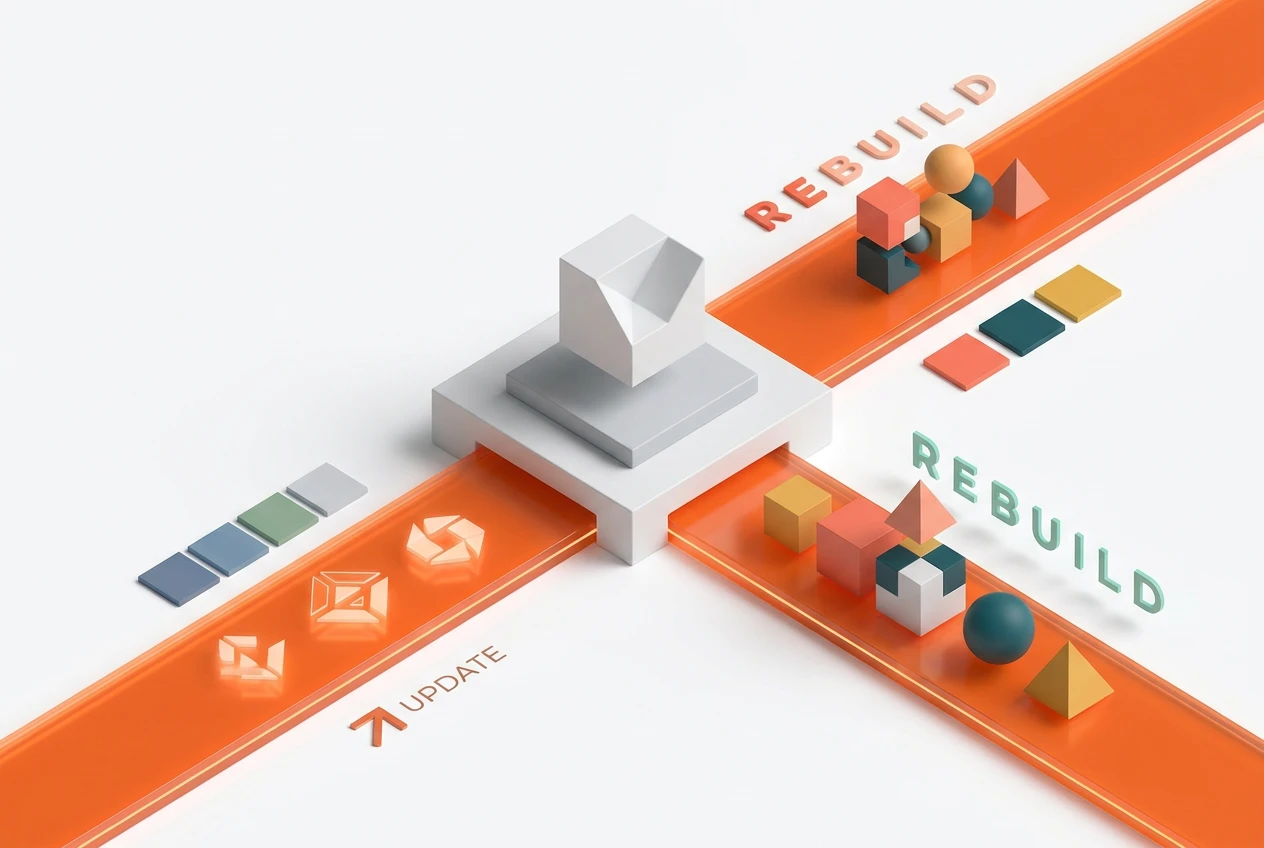
A visual identity refresh is best done when your brand is well-known but looks outdated, with the goal of modernizing it without losing brand recognition. A complete overhaul, on the other hand, is necessary when the company’s strategy undergoes a radical change, when entering new markets, or when the current identity fails to represent the company’s values. Therefore, the decision to develop a visual identity is a crucial strategic step for the growth and sustainability of your business in a competitive market.
What is the fundamental difference between a visual identity refresh and a complete overhaul?
The fundamental difference lies in the extent of the change. A visual identity refresh is an evolution, not a revolution. It preserves the core, recognizable elements of your brand—such as the logo and primary colors—while updating them to look more contemporary. For example, the logo might be simplified, or the secondary color palette might be updated.
In contrast, a complete overhaul is a radical and comprehensive change. In this case, the old identity is completely discarded, and a new one is created from scratch. Therefore, this decision involves changing the logo, colors, typography, and sometimes even the brand name to reflect a major strategic shift within the company.
When is a brand refresh the best option?
A refresh is the ideal choice when your brand is well-established and has a strong customer base. If the goal is to maintain existing loyalty while attracting new segments, a refresh achieves that. Additionally, it’s appropriate if your identity seems a bit outdated but still reflects your core values.
A refresh is also a cost- and time-effective solution compared to a complete redesign. It allows you to stay current with the market without risking the recognition you’ve built over the years. In short, choose a refresh for updating and evolving, not for a radical change.
What are the signs that your company needs to revamp its visual identity?
There are several clear signs that it’s time for a change. First, if your visual identity looks outdated compared to your new competitors. Second, when your business expands to include new products or markets for which your original identity wasn’t designed. This expansion requires a more comprehensive identity.
Furthermore, inconsistency in marketing materials is another strong indicator. If you have multiple versions of your logo or different colors being used haphazardly, you need to standardize them. Finally, if your current identity no longer represents your company’s vision and future values, it’s time to develop a new visual identity.
What are the risks of neglecting to update your visual identity?
Ignoring the need to update your visual identity can have serious consequences. First, your brand may lose its relevance and appeal in a rapidly changing market. As a result, potential customers may perceive you as an uninnovative or outdated brand, driving them toward more modern competitors.
In addition, an outdated or inconsistent identity can erode customer trust. A professional and unified identity reflects quality and credibility. Without it, your company may appear less professional, negatively impacting purchasing decisions and long-term customer loyalty.
When does a brand redesign become an unavoidable necessity?
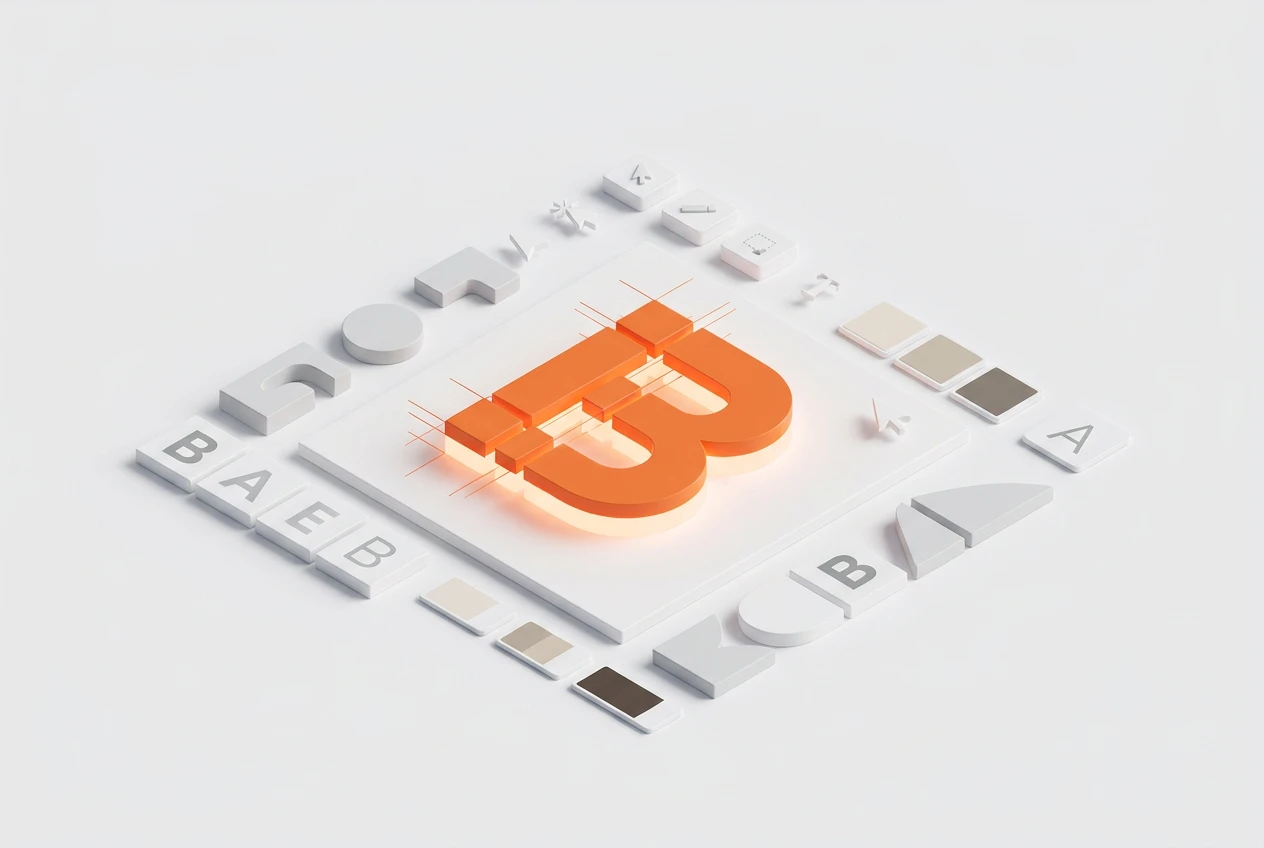
A complete rebrand becomes necessary during times of radical transformation. For example, following mergers or acquisitions, when the new company needs a unified identity that represents the new entity. Similarly, if your company has completely changed its business model or is targeting a radically different audience, the old identity will no longer be appropriate.
Furthermore, a rebranding may be necessary to shed a negative reputation associated with the old brand. In this case, rebranding represents an opportunity for a fresh start and to build a positive image. It’s a big decision, but it’s necessary when the old identity can no longer serve the company’s future goals.
How does brand strategy influence this decision?
Your brand strategy should be the primary driver of any decision regarding visual identity. Before considering colors and logos, you must ask: What are our long-term goals? Who is our target audience now and in the future? What unique value do we offer?
The answers to these questions determine whether you need a simple refresh or a complete rebuild. For example, if your strategy focuses on strengthening your position in your current market, a refresh may be sufficient. However, if your strategy aims to break into new global markets, you may need a more global identity—which requires a complete overhaul. At Boom Media, we always start with strategy to ensure that the design serves your business goals.
What are the steps in the visual identity development process?
The visual identity development process is a structured journey that ensures the best results. Whether it’s a refresh or a rebuild, it typically follows a series of systematic steps to ensure alignment with your goals. Here are the key steps we follow at our agency:
- Research and Analysis: Studying the market, competitors, and target audience, and understanding the brand’s current position.
- Strategy Development: Defining the brand’s message, values, and personality, and determining the future direction of the identity.
- Design and Concepts: Developing several visual concepts for the logo, colors, and typography, and selecting the most suitable one.
- Identity Element Development: Designing all components of the visual identity based on the approved concept.
- Creating the Brand Guidelines: Developing a style guide that explains how to use all brand elements consistently.
- Implementation and Launch: Roll out the new identity across all customer touchpoints, from the website to social media.
Examples of Successful Rebranding
Business history is full of inspiring examples of companies that have successfully rebranded. Take “Instagram” as an example: it started with a complex logo that resembled an old camera. As it grew exponentially and transformed into a global platform, it rebranded itself with a simple, modern icon that reflects the app’s simplicity and the diversity of its content.
Another example is ‘Airbnb.’ The company started with a simple, temporary logo. But as it evolved into a global giant in the hospitality sector, it needed an identity that conveyed a sense of belonging and community. Therefore, it launched the “Bélo” logo, which represents people, places, and love, successfully reflecting its strategic transformation.
Frequently Asked Questions
What is the difference between a brand and a visual identity?
A brand is the overall concept and impression your company leaves on the public, including its reputation, values, and message. Visual identity, on the other hand, is the tangible, visible aspect of your brand, such as the logo, colors, and typography.
How long does it take to develop a visual identity?
The timeframe varies greatly depending on the scope of the project. A simple refresh may take a few weeks, while a complete rebrand—which includes research and strategy—can take several months to ensure it’s done right.
Can I develop my visual identity on my own?
Although it’s technically possible using available tools, it’s not recommended. Developing an effective identity requires deep strategic and design expertise. Engaging a specialized agency like Boom Media ensures a professional result that serves your business’s long-term goals.
What does a Brand Guide include?
A brand guide is a fundamental document that defines the rules for using your brand elements. It typically includes instructions on logo usage, the approved color palette, primary and secondary typefaces, imagery style, and tone of voice to ensure consistency across all marketing materials.
How do I measure the success of my new visual identity?
Success can be measured through various metrics. These include increased brand awareness, improved audience engagement on platforms like Facebook, increased sales or inquiries, and positive feedback from customers and partners.
Deciding to develop your visual identity is a crucial step toward growth. Whether you choose a refresh or a complete redesign, investing in a strong, professional identity strengthens your market position and builds lasting trust with your customers. Our team at Boom Media, with over 8 years of experience and a partnership with Meta, is ready to help you make the right decision. Contact us today to explore our services and begin your brand’s transformation journey.