
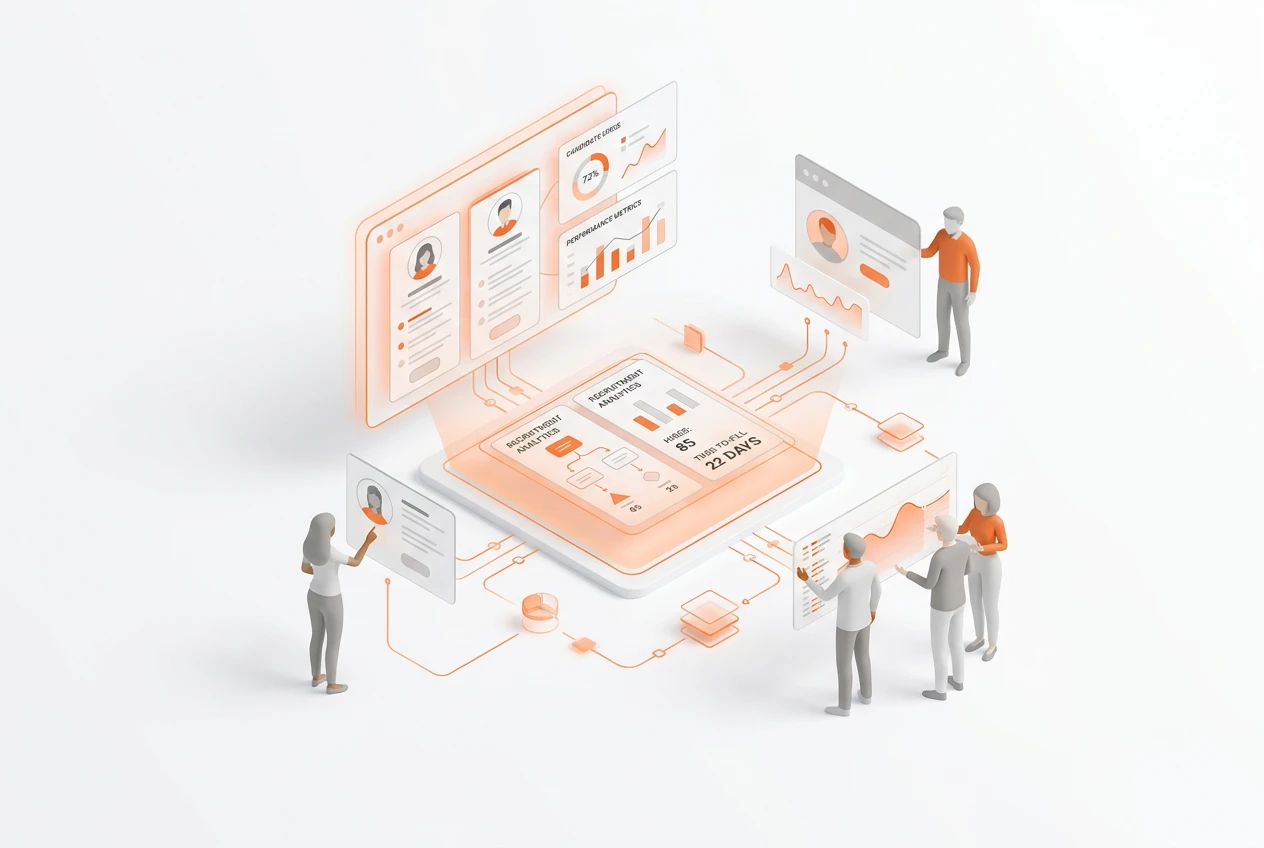
Integrating an ERP system with human resources data provides a comprehensive view of departmental performance and labor costs. This integration helps you identify skill gaps based on current and future project requirements. In addition, you can accurately forecast hiring needs, ensuring that strategic hiring decisions are based on reliable data. Consequently, this approach effectively promotes the company’s growth and sustainability.
What Is ERP and HR Integration?
ERP and HR integration refers to the process of linking an enterprise resource planning (ERP) system with human resources management (HRM) software. This integration aims to consolidate data related to employees and operational processes into a single centralized platform. As a result, management gains a comprehensive and up-to-date view of all aspects of the business. For example, payroll data can be analyzed directly alongside project costs. This approach eliminates data silos and fosters collaboration across different departments, leading to more informed and faster decision-making.
Why Is Workforce Data Analysis Important?
Workforce data analysis is a vital component for companies seeking growth. First, this analysis helps understand employee performance and identify top performers. Furthermore, it reveals patterns related to employee turnover, allowing you to address the root causes of the problem. It also enables you to forecast future skill needs based on company goals. In short, data analysis provides strategic insights to improve talent management and increase productivity, and it is an essential part of strategic human resources planning.
How Does ERP and HR Integration Help Identify Skill Gaps?
The integration of ERP and HR helps companies identify skill gaps accurately and effectively. By analyzing data on completed and future projects from the ERP system, this information can be compared with the skill profiles in the HR system. This makes it easy to identify the missing skills needed to successfully execute projects. For example, if an upcoming project requires experts in a specific field, the system can determine whether you have a sufficient number of qualified employees. This allows for proactive measures, such as training or hiring, to fill these gaps.
Can ERP be used to improve talent management and recruitment?
Yes, definitely. An ERP system plays a pivotal role in improving talent management and recruitment when integrated with human resources. The system provides financial and operational data that helps build more accurate hiring models. For example, the budget available for each new position can be determined based on actual cost data. In addition, the system helps track the recruitment process from application to hire, ensuring a seamless experience for candidates. As a result, it becomes possible to attract and retain top talent thanks to this integrated view.
What are the long-term benefits of integrating an ERP system with HR?
Integrating an ERP system with HR provides long-term strategic benefits. First, it enhances operational efficiency by automating repetitive administrative tasks and reducing human error. As a result, the HR team is free to focus on strategic initiatives such as employee development. Furthermore, this integration supports strategic HR planning by providing reliable data for making informed decisions about expansion and growth. Ultimately, this leads to improved overall company performance and increased competitiveness in the market.
How does strategic human resources planning contribute to a company’s success?
Strategic human resources planning is a cornerstone of any company’s success. It ensures that the talent strategy aligns with the overall business objectives. Through this planning, companies can anticipate their workforce needs and develop plans to fill any potential gaps. It also helps build a positive work culture that fosters employee loyalty and productivity. Companies that invest in strategic planning—such as those supported by Boom Media’s expertise—are better prepared to face market challenges and achieve sustainable growth.
Practical Steps for Achieving ERP and HR Integration
Achieving successful integration between an ERP system and HR requires careful planning and thoughtful execution. The process begins with clearly defining objectives, such as improving hiring decisions or automating payroll. Next, you must assess your current systems and identify integration requirements. Finally, selecting the right technology partner is crucial to ensuring the project’s success. Here are some essential steps to get started:
- Define Objectives: Clearly define what you want to achieve through the integration.
- Assess existing systems: Understand the capabilities and limitations of your current systems.
- Plan data: Determine which data will be shared between the two systems and how it will be synchronized.
- Choose the Right Partner: Work with experts who have a proven track record in integration projects.
- Phased Implementation: Start with core functions and then expand gradually to minimize risk.
- Training and Support: Ensure your team is trained on how to use the new system and provide ongoing support.
What are the common challenges when integrating ERP systems?
Despite its many benefits, integrating ERP systems with human resources presents certain challenges. One of the most significant challenges is employee resistance to change, as they may prefer to continue using legacy systems. Additionally, data compatibility issues can be complex, especially when dealing with legacy systems. The cost of the project may also be high initially. Therefore, a robust change management plan and support from senior management are essential. Collaborating with an expert partner like Boom Media helps overcome these obstacles thanks to their extensive experience.
How Do You Choose the Right Partner for an ERP Integration Project?
Choosing the right partner is a critical factor in the success of an ERP integration project. First, look for a partner with proven experience specifically in your industry. They should have a strong track record of successful projects. Second, make sure the partner understands your business goals and can provide customized solutions rather than off-the-shelf ones. Furthermore, they should offer robust technical support and comprehensive training for your team. At BOOM MEDIA, as a Meta Certified Business Partner, we combine technical expertise with strategic insight to help our clients achieve the best results. Follow us on Facebook to see our success stories.
Frequently Asked Questions
What is the difference between an ERP system and an HRM system?
An ERP (Enterprise Resource Planning) system is an integrated system for managing all of a company’s core operations, such as finance, production, and the supply chain. In contrast, an HRM (Human Resource Management) system focuses specifically on employee management, including recruitment, payroll, and performance evaluation.
Is ERP and HR integration suitable for small businesses?
Yes, small businesses can also benefit from this integration. Modern cloud-based solutions offer ERP and HRM systems at an affordable cost, allowing small businesses to automate their processes and make better data-driven decisions, just like large companies.
How long does an ERP and HR integration project take?
The project timeline depends on several factors, including the size of the company, the complexity of existing systems, and the scope of the integration required. Simple projects can take a few weeks, while more complex projects may take several months.
What are the most important performance metrics to track after integration?
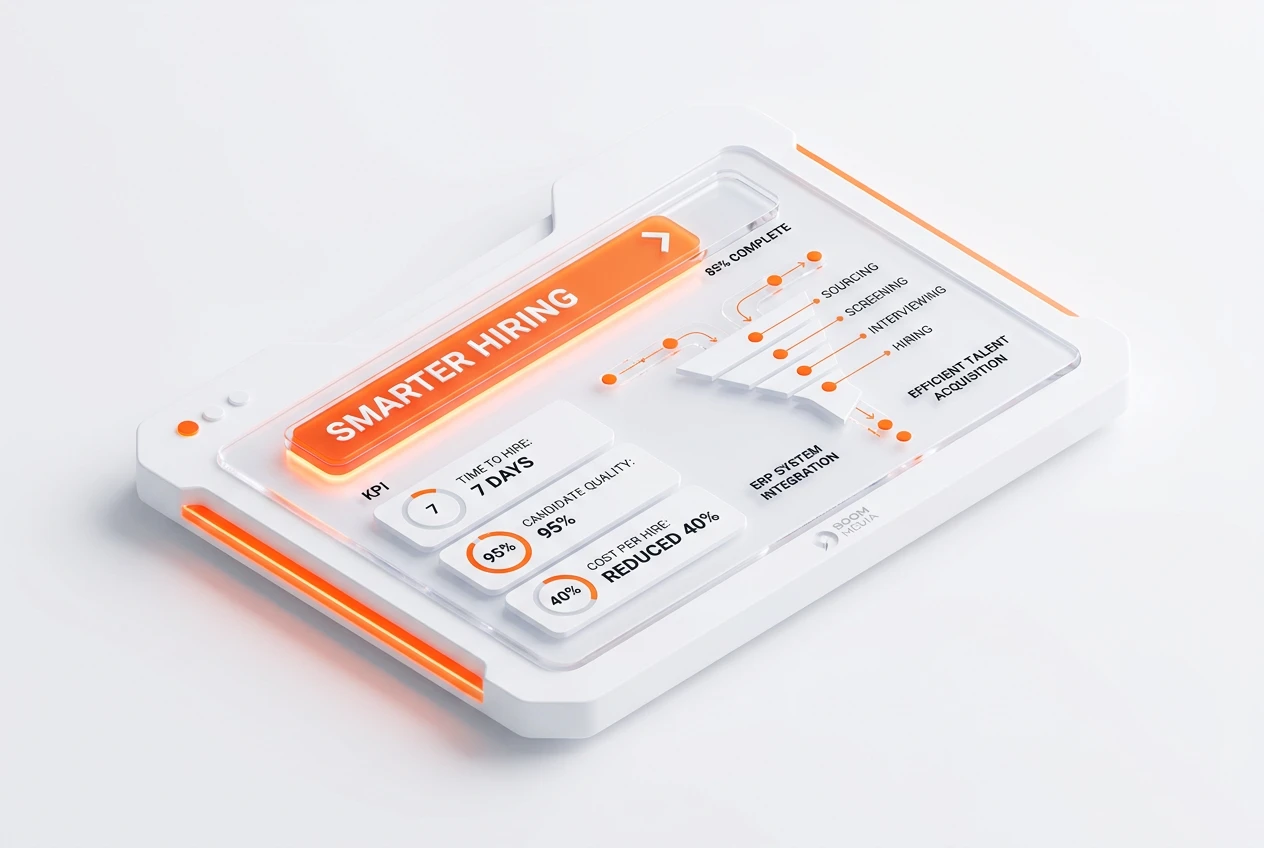
After integration, you can track key performance indicators such as hiring costs, time to fill vacancies, employee turnover, employee productivity, and return on investment in human capital. This data helps continuously improve human resources strategies.
How does integration ensure the security of employee data?
Modern ERP and HRM systems use advanced security protocols to protect sensitive data. Proper integration ensures that strict access policies are enforced, so users can only access the data they need to perform their jobs, thereby enhancing the confidentiality and security of information.
In conclusion, ERP and HR integration represents a strategic investment that can transform the way you manage talent and make hiring decisions. By unifying data, you can gain invaluable insights to drive efficiency and growth. If you’re ready to take the next step toward smarter hiring decisions, the team of experts at Boom Media is ready to help you. Contact us today to explore our integrated services.