
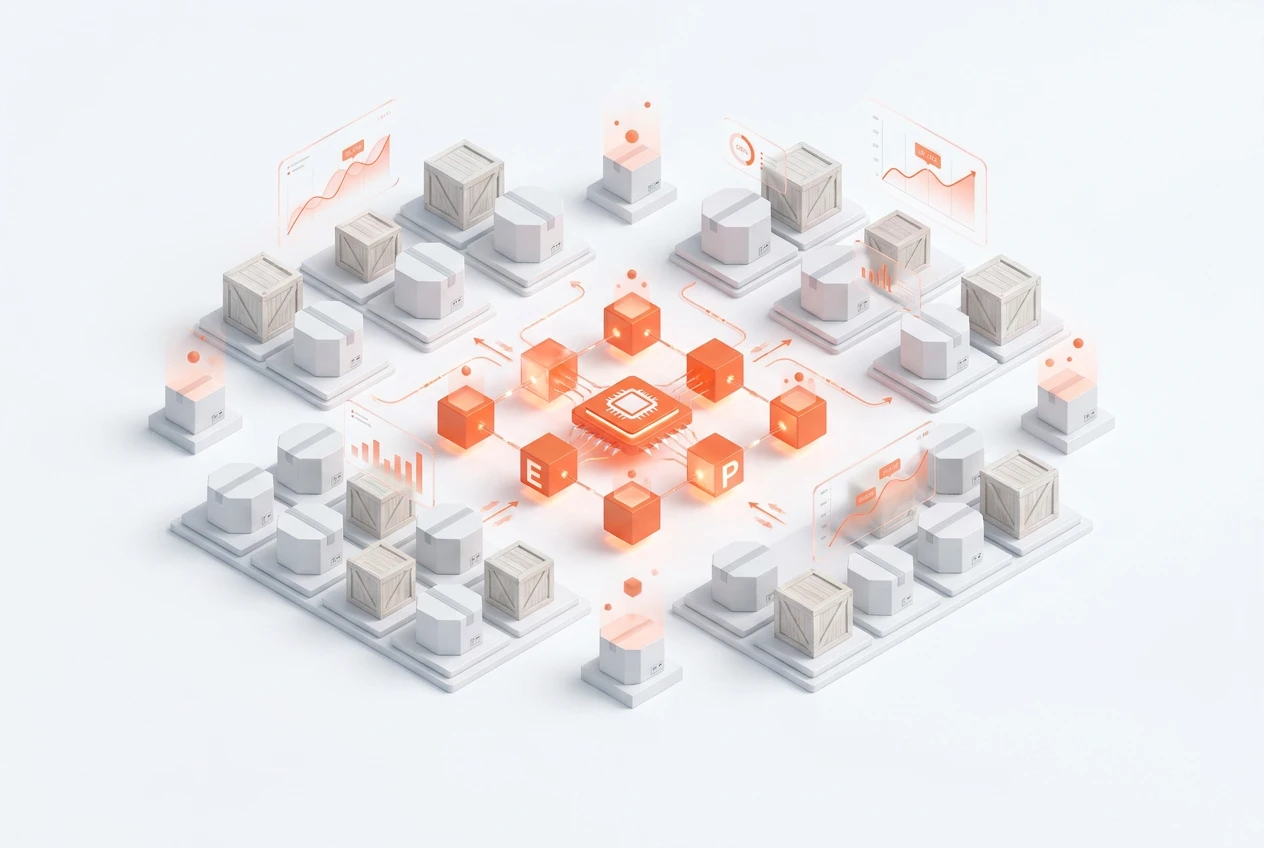
An ERP system integrates sales, inventory, and purchasing data into a single platform, providing a comprehensive and real-time view. Inventory management with an ERP system helps forecast demand and automate reorder requests. As a result, the likelihood of running out of stock or having excess inventory is reduced. This enhances operational efficiency and increases customer satisfaction and your company’s bottom line.
What is an Enterprise Resource Planning (ERP) system?
Enterprise Resource Planning (ERP) systems are integrated software solutions that manage core business operations on a unified platform. For example, they can connect the finance, sales, purchasing, and inventory departments. Consequently, these systems provide a comprehensive view of the company’s performance. Instead of using separate software for each department, an ERP system consolidates all data in one place. This integration allows information to flow seamlessly between different departments, boosting efficiency and reducing errors.
Why is effective inventory management important for your store?
Effective inventory management is the cornerstone of any store’s success. First, it helps prevent stockouts, which avoids lost sales and maintains customer satisfaction. Conversely, it also prevents the accumulation of excess inventory, which ties up capital and increases storage costs. In addition, good inventory management ensures that the right products are available in the right quantities at the right time. Therefore, optimizing inventory directly leads to increased profits and an improved customer experience.
How does an ERP system improve inventory data accuracy?
An ERP system improves inventory data accuracy through real-time, centralized updates. When a product is sold or a new shipment is received, the system automatically updates inventory levels across all channels. Furthermore, many systems support technologies such as barcode scanning and RFID to minimize human error. This automation ensures that the data you see is accurate and reliable. Consequently, you can make informed decisions based on real information rather than guesswork.
Can ERP automate the reorder process?
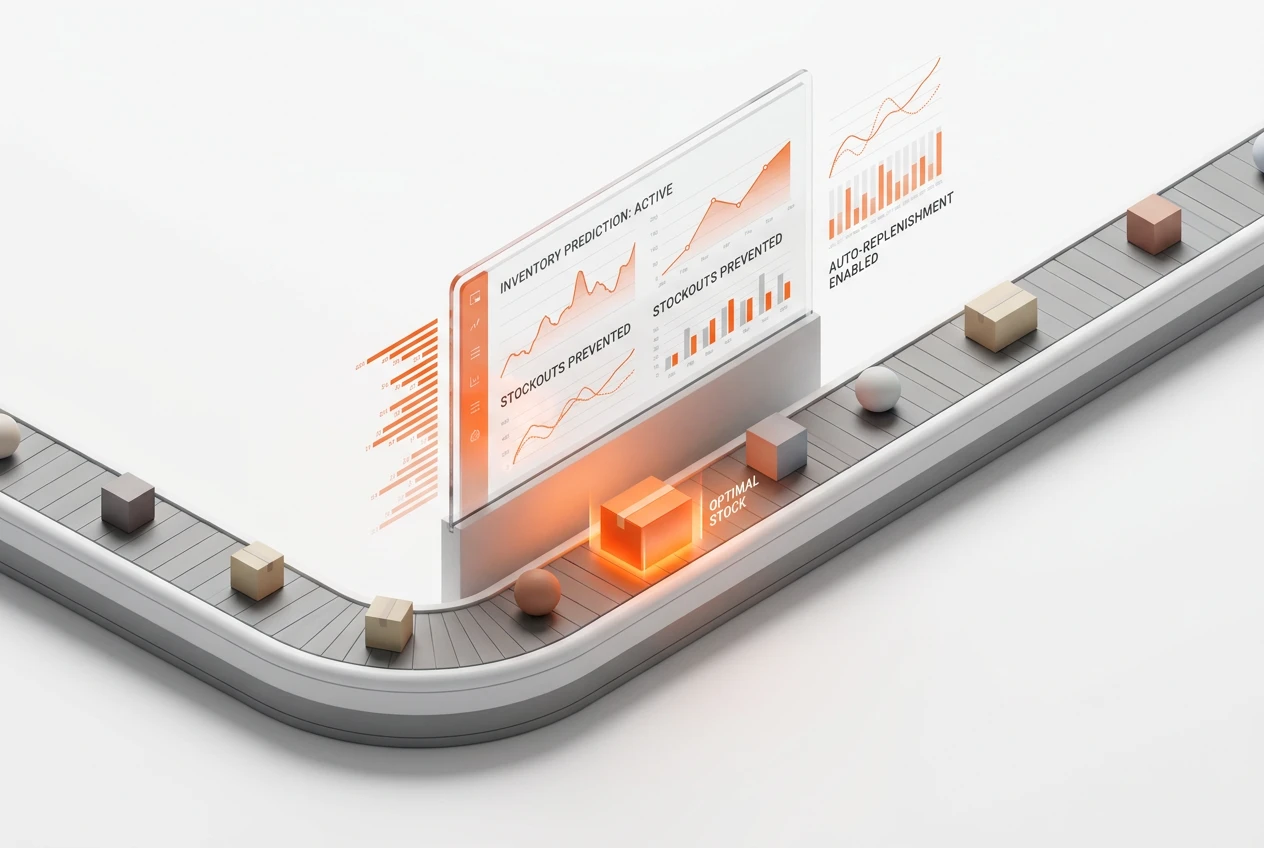
Yes, one of the key benefits of inventory management with an ERP system is reorder automation. You can set specific reorder points for each product based on historical sales data and lead times. When inventory reaches this level, the system can automatically generate purchase orders and send them to suppliers. This process ensures that essential products are not forgotten when restocking. As a result, automated inventory management helps maintain optimal inventory levels and prevent stockouts.
How does ERP-based inventory management help forecast demand?
An ERP system uses historical sales data and seasonal trends to accurately forecast future demand. The system analyzes past patterns to predict which products will be in high demand and when. For example, it can identify increased demand for certain products during the holidays. Based on these forecasts, you can proactively adjust inventory levels. This allows you to prepare for peak periods and avoid both excess inventory and stockouts.
What are the benefits of optimizing the supply chain using ERP?
Integrating inventory management into an ERP system significantly improves the supply chain. First, it provides a complete view from the supplier to the end customer. You can track shipments, manage supplier relationships, and monitor performance all in one place. In addition, centralized data helps you collaborate more effectively with suppliers and shipping carriers. This leads to shorter delivery times, lower costs, and increased overall efficiency in your supply chain.
How can ERP help reduce inventory costs?
An ERP system helps reduce inventory costs in several ways. Through accurate demand forecasting, you can avoid over-purchasing, which ties up capital. Automation also reduces labor costs associated with manual counting and data entry. Furthermore, by optimizing inventory levels, you can lower storage and insurance costs. Together, these improvements increase profit margins and improve your company’s financial health. At Boom Media, we help companies implement these systems to maximize their benefits.
What are the basic steps for implementing an ERP system for inventory?
Implementing an ERP system requires careful planning. Here are the essential steps to ensure a successful implementation:
- Define requirements: First, analyze your current operations and identify the problems you want to solve.
- Selecting the Right System: Look for ERP systems that align with your business size, budget, and specific needs.
- Migrate data: Next, transfer your existing product, supplier, and customer data to the new system.
- Train the team: Make sure your team understands how to use the new system effectively.
- Testing and Launch: Thoroughly test the system before its full launch to ensure everything is working as expected.
- Monitoring and Optimization: Finally, continuously monitor the system’s performance and look for ways to optimize operations.
Partnering with experts like Boom Media can help streamline this process.
Does an ERP system integrate with e-commerce platforms?
Yes, most modern ERP systems integrate seamlessly with popular e-commerce platforms such as Shopify and WooCommerce. This integration is essential for online stores. It ensures that inventory levels, orders, and customer data are automatically synchronized between your store and the ERP system. As a result, when a product is sold on your website, the inventory in the system is updated immediately. This prevents the sale of out-of-stock products and significantly improves the customer experience.
Frequently Asked Questions
What is the difference between an inventory management system and an ERP system?
An inventory management system focuses solely on tracking inventory. In contrast, an ERP system is a comprehensive solution that integrates inventory with other functions—such as accounting, sales, and human resources—into a single platform.
Are ERP systems suitable for small businesses?
Yes, there are now affordable cloud-based ERP solutions designed specifically for small and medium-sized businesses. These systems offer powerful functionality without the need for a large investment in infrastructure.
How long does it take to implement an ERP system?
Implementation time varies depending on the size of the company and the complexity of its operations. It can take anywhere from a few weeks for simple solutions to several months for large projects. Good planning speeds up the process.
How does inventory management with an ERP system help with customer service?
By ensuring product availability and providing accurate information about order status, an ERP system enhances customer satisfaction. Happy customers are more loyal to your brand.
What are the best ERP systems for retail inventory management?
The best systems depend on your needs. Some popular options include NetSuite, Odoo, and SAP Business One. It’s important to choose a system that fits your business size and budget.
Can I track supplier performance through an ERP system?
Absolutely. ERP systems allow you to track supplier performance metrics such as delivery accuracy, product quality, and on-time delivery, helping you make better decisions about your partnerships.
In conclusion, inventory management with an ERP system is a strategic investment in your store’s growth. Through centralized data and process automation, you can avoid stockouts, reduce costs, and increase efficiency. Our team at Boom Media, with over 8 years of experience, is ready to help you choose and implement the optimal solution for your business. Contact us today via our Facebook page or explore our services to start your journey toward smarter inventory management.