
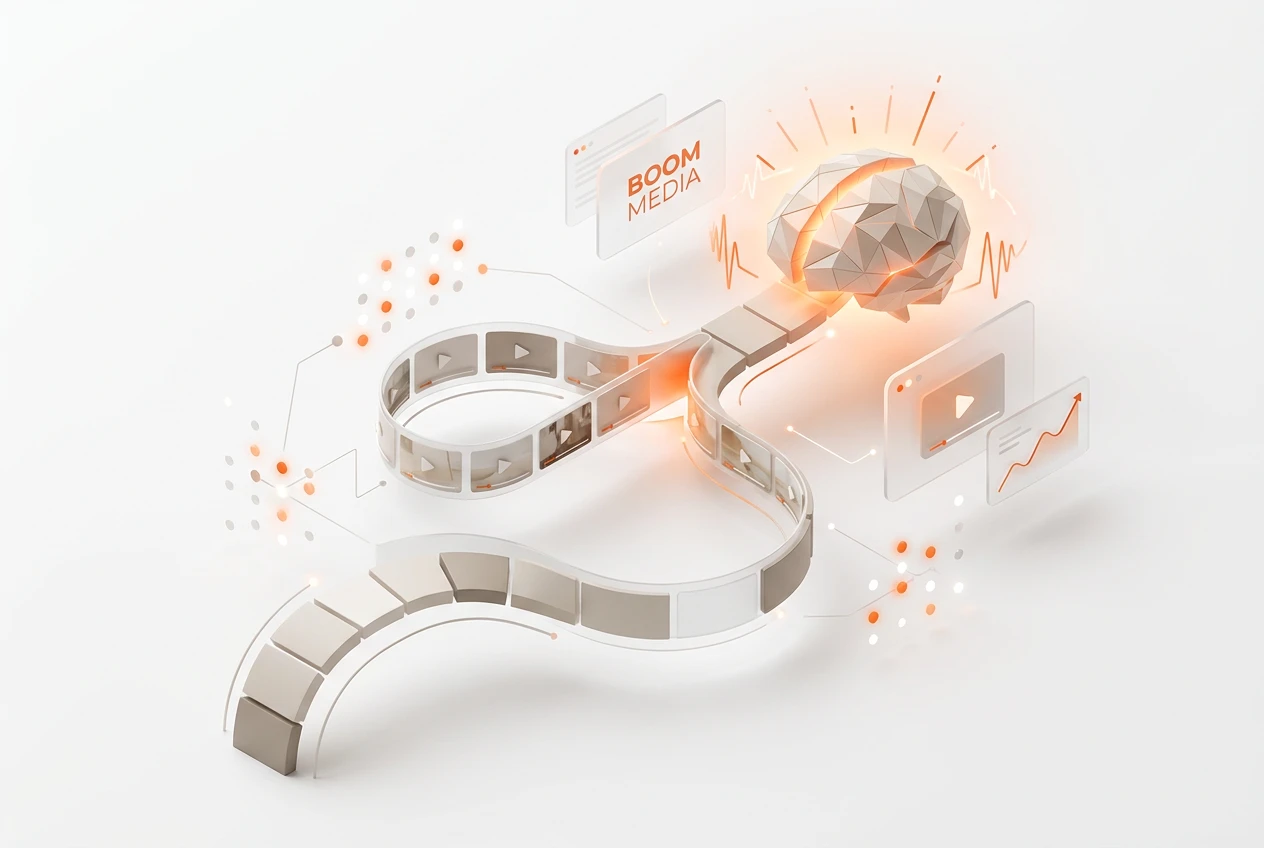
What is editing psychology, and why is it important?
The psychology of editing is the art and science of understanding how the human brain responds to visual and auditory stimuli in video. It studies the impact of rhythm, colors, and sound on the viewer’s emotions and decisions. In the crowded world of digital marketing, capturing and retaining the audience’s attention has become a major challenge. Therefore, editing is no longer just about arranging scenes; it has become a strategic tool for guiding consumer behavior.
By using these techniques, you can build a cohesive story that sparks curiosity and creates an emotional connection. As a result, viewers become more willing to listen to and engage with your message. This is why understanding the psychology of editing is essential for any brand seeking to achieve tangible results through video content.
How does editing rhythm affect the viewer’s attention?
Editing rhythm, or the speed at which shots follow one another, is one of the most powerful tools for influencing the viewer’s psychological state. For example, fast, rapid-fire cuts create a sense of excitement, suspense, and energy, which is ideal for videos promoting a new product or an energetic advertisement. This style keeps the viewer focused and prevents them from getting bored.
In contrast, slow cuts and smooth transitions give the viewer time to reflect and feel. This rhythm is often used in videos that tell an emotional story or explain a complex concept. Thus, choosing the right pace helps convey the right message and achieve the video’s goal, whether it’s raising awareness or evoking emotions.
What role do colors play in professional video editing?
Colors are not just an aesthetic element; they are a powerful visual language that directly influences the viewer’s emotions. Professional video editing uses color grading to set the mood of the video. For example, warm colors like red and orange evoke feelings of warmth and energy, while cool colors like blue and green suggest calmness and confidence.
Furthermore, maintaining a consistent color palette across all your videos helps build a strong visual identity for your brand. When viewers see certain colors, they automatically associate them with your brand. This consistency builds trust and loyalty, making your brand memorable to customers.
Why are sound effects and music essential?
Sound is just as important as visuals in the world of video. Sound effects and background music work together to create an immersive experience for the viewer. Music sets the emotional tone of the video, whether it’s inspiring, tense, or joyful. Without the right music, a video may feel empty and fail to evoke any emotions.
In addition, subtle sound effects add realism and depth to a scene. The sound of a product opening or a button being clicked can reinforce the message and make the experience more impactful. At Boom Media, we recognize that strategic sound design is an integral part of successful video editing.

What are the best editing techniques to increase conversion rates?
To convert viewers into customers, the video must be geared toward achieving this goal. There are several effective techniques that can be used. First, the first three seconds of the video must be highly engaging to stop the viewer from scrolling past. Second, text and animations should be used to highlight the key benefits of the product or service.
Here are some of the key techniques we use in our video editing services:
- Cutting on Beat: Synchronizing visual cuts with the rhythm of the music to create an enjoyable flow.
- J-Cuts and L-Cuts: Using audio from the next scene before it appears visually (or vice versa) to seamlessly connect scenes.
- Highlighting the Call to Action (CTA): Using clear graphics and distinctive audio to guide the viewer toward the next step.
- Use of Close-ups: To showcase product details or emotional expressions that build trust.
- Match Cut: Transitioning between two different scenes using a similar movement or shape to create a clever visual connection.
Strategically applying these techniques ensures that the video not only grabs attention but also guides the viewer on a journey that ends in conversion.
How to Avoid Common Video Editing Mistakes?
Some common editing mistakes can completely ruin a video’s effectiveness. One of the most prominent of these is poor audio quality; audiences may forgive mediocre video quality, but they won’t tolerate unclear or annoying audio. Therefore, you should always prioritize recording and cleaning up the audio.
Another mistake is overusing visual effects and flashy transitions. While they may seem appealing, they often distract from the core message. Every transition and every effect must serve a specific purpose. Finally, ignoring the importance of pacing results in a boring or confusing video. Therefore, it is essential to strike a careful balance between fast and slow shots to keep the viewer engaged.
How can Boom Media help you?
At Boom Media, we don’t just edit videos—we design visual experiences that drive your brand’s growth. With over 9 years of experience and more than 2,759 projects under our belt, we fully understand the psychology of editing. Our Meta Business Partner-certified team combines creativity and analysis to produce videos that deliver real results.
We believe that every video is an opportunity to build a relationship with your audience. That’s why we work with you as a strategic partner to understand your goals and apply professional video editing best practices to increase sales and engagement. Contact us to learn how we can turn your ideas into impactful video content. You can follow our latest work on Facebook.
Frequently Asked Questions
What is the difference between editing and video editing?
Editing is the technical and artistic process of arranging and cutting footage. Montage, on the other hand, is the art of storytelling by combining footage, sound, and effects to create meaning and evoke a specific emotion—it’s part of the psychology of montage.
How long does it take to edit a one-minute advertising video?
The time depends on the complexity of the project. It can take anywhere from a few hours to several days. This includes selecting footage, sound design, color correction, and adding graphics, all of which require precision and attention to detail.
How does editing influence my purchasing decisions as a consumer?
Professional editing builds trust by clearly showcasing the product and highlighting its benefits in an engaging way. It also evokes positive feelings toward the brand, making you more likely to make a purchase.
Do I need licensed music for my videos?
Yes, definitely. Using unlicensed music can lead to legal issues and the removal of your video from platforms. It’s always important to use music from licensed libraries or music produced specifically for you.
Why are the first few seconds of a video so important?
The first three seconds are crucial for grabbing the viewer’s attention. In a fast-paced digital environment, users decide in a matter of seconds whether they’ll keep watching or not. The opening must be strong, direct, and clear.
Are you ready to turn your videos into a powerful tool for boosting sales? At Boom Media, we combine technical expertise with a deep understanding of audience behavior to create video content that achieves your goals. Let us help you tell your story in a way that’s unforgettable. Explore our integrated services today and start seeing real results.